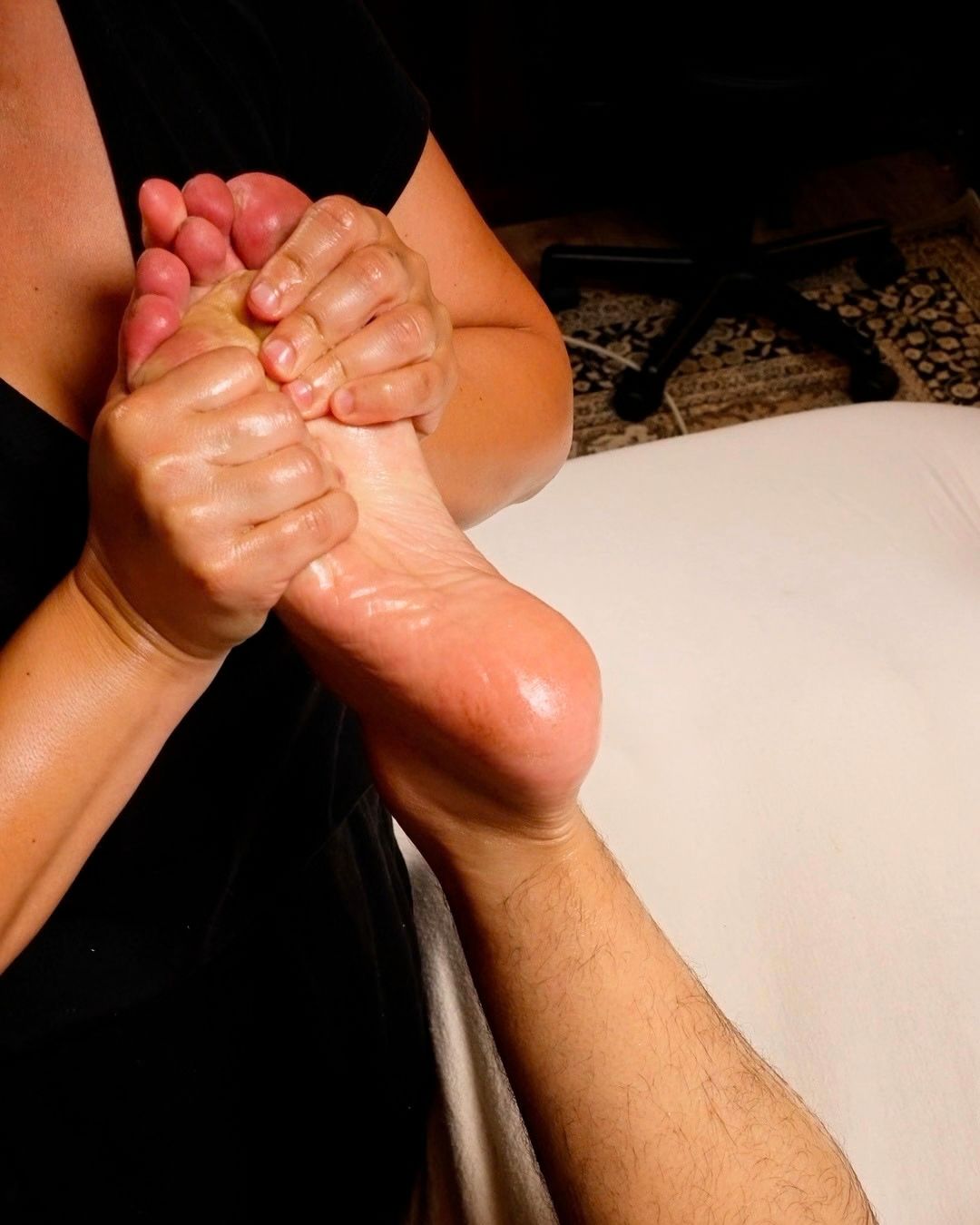
1. Deep relaxation
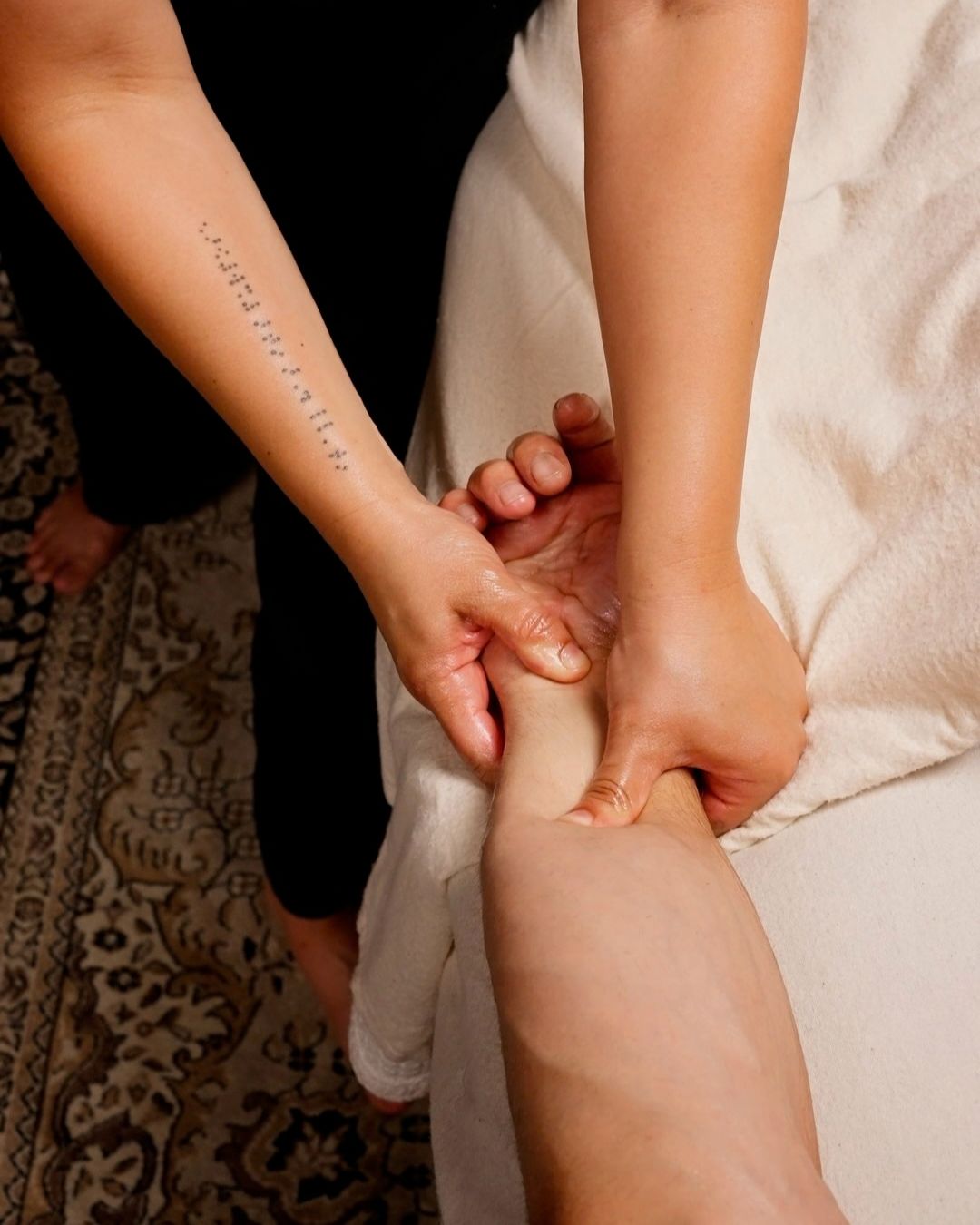
This is the reason most people book reflexology. For 45 minutes someone works your feet or hands with slow, firm pressure, and you have nothing to do but lie back. Many people drift off. Afterward they usually feel calm, a little sleepy, and lighter in their feet or hands.
Relaxation is hard to measure on its own, but the benefits below (less anxiety, better sleep, a slower heart rate) are largely what it looks like in a study.
2. Less anxiety
Anxiety is where the evidence is strongest. A 2020 meta-analysis of 26 randomized trials with 2,366 adults found that foot reflexology reduced anxiety compared with control groups, with a large effect.
A 2026 meta-analysis of 8 trials (485 patients) found the same for people recovering from open-heart surgery, although the studies varied a lot, so the authors urge caution. In both cases reflexology was added to normal care, never in place of it.
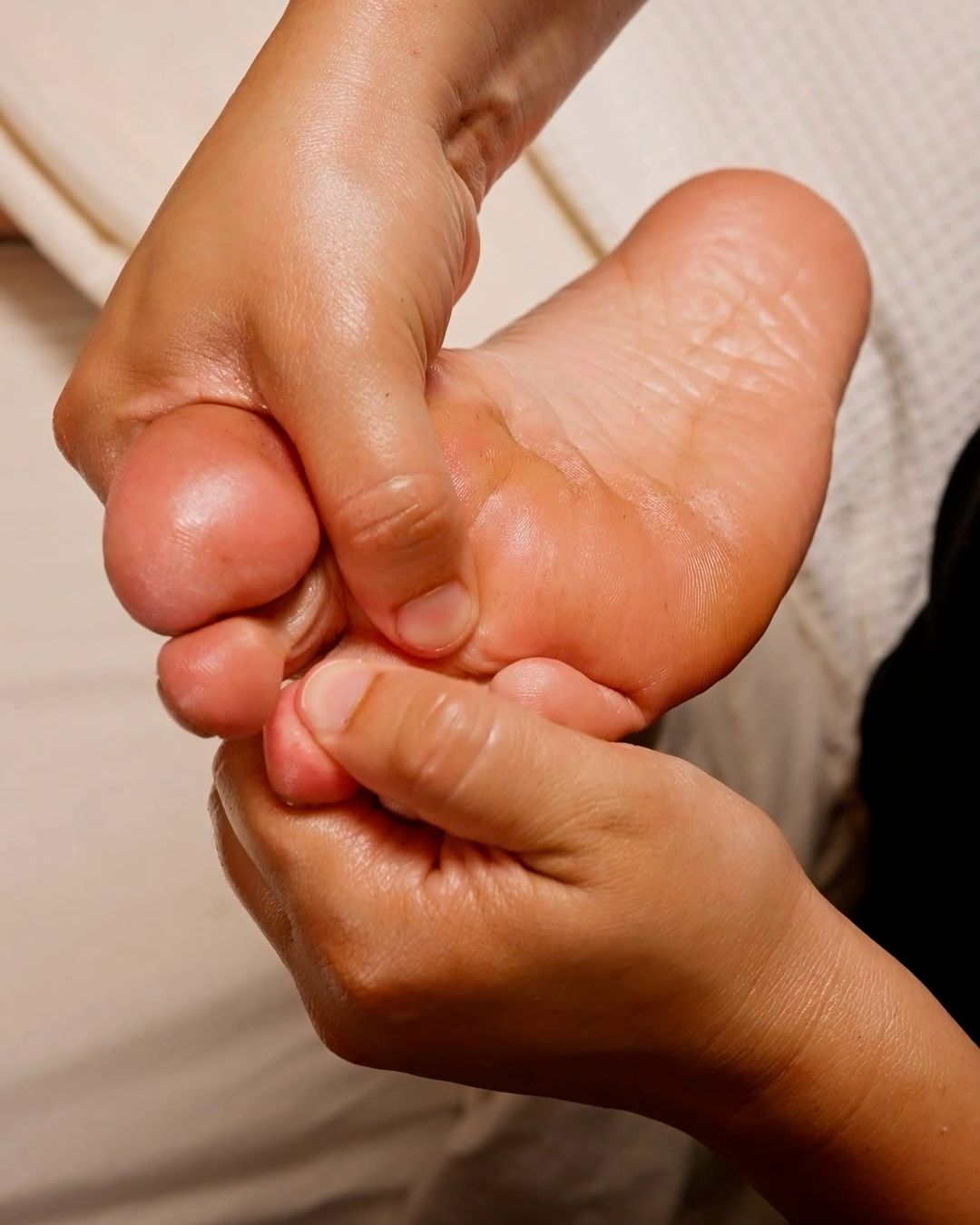
3. Better sleep
The same 2020 meta-analysis found that foot reflexology improved sleep quality, and its largest effect was on sleep. Longer sessions and longer programs helped more. It's one reason we suggest booking when you can rest afterward and noticing how you sleep that night.
4. A lighter mood
The 2020 review also found less depression in people who received foot reflexology. The authors describe it as a possible addition to treatment for depression, anxiety or poor sleep, not a replacement. If you're struggling with your mood, talk to your doctor first.
5. Some kinds of pain and fatigue
The clearest pain results come from multiple sclerosis. A 2023 meta-analysis of 11 studies compared real reflexology with sham reflexology, where the feet are pressed without following the map. Real reflexology lowered pain and fatigue scores more than the sham did.
For headaches, a 2024 review found only three studies. They were promising, but too few to draw firm conclusions. If your headaches are new, frequent or severe, see your doctor.
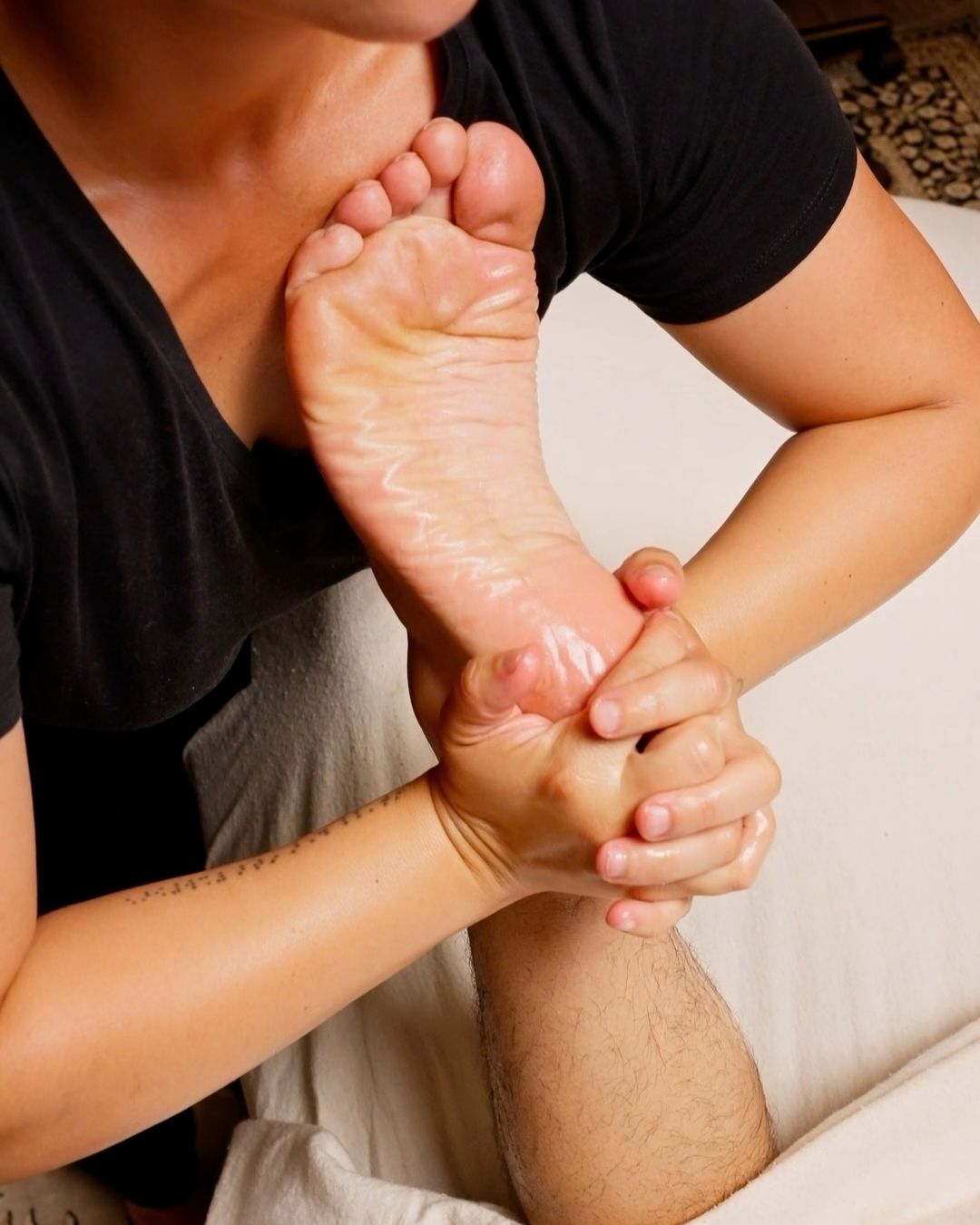
6. A slower heart rate and lower blood pressure, for a while
A 2022 meta-analysis of 13 trials (819 patients) found that foot reflexology lowered systolic blood pressure by about 4.6 points, slowed the heart rate and breathing, and raised blood oxygen slightly. These were short-term effects, measured soon after the session. It isn't a treatment for high blood pressure.
7. Digestion and constipation
A 2020 meta-analysis of 7 randomized trials found that foot reflexology helped more people with functional constipation get better. The studies were small, and the authors say there isn't enough evidence yet that it improves symptoms or prevents the problem from coming back.
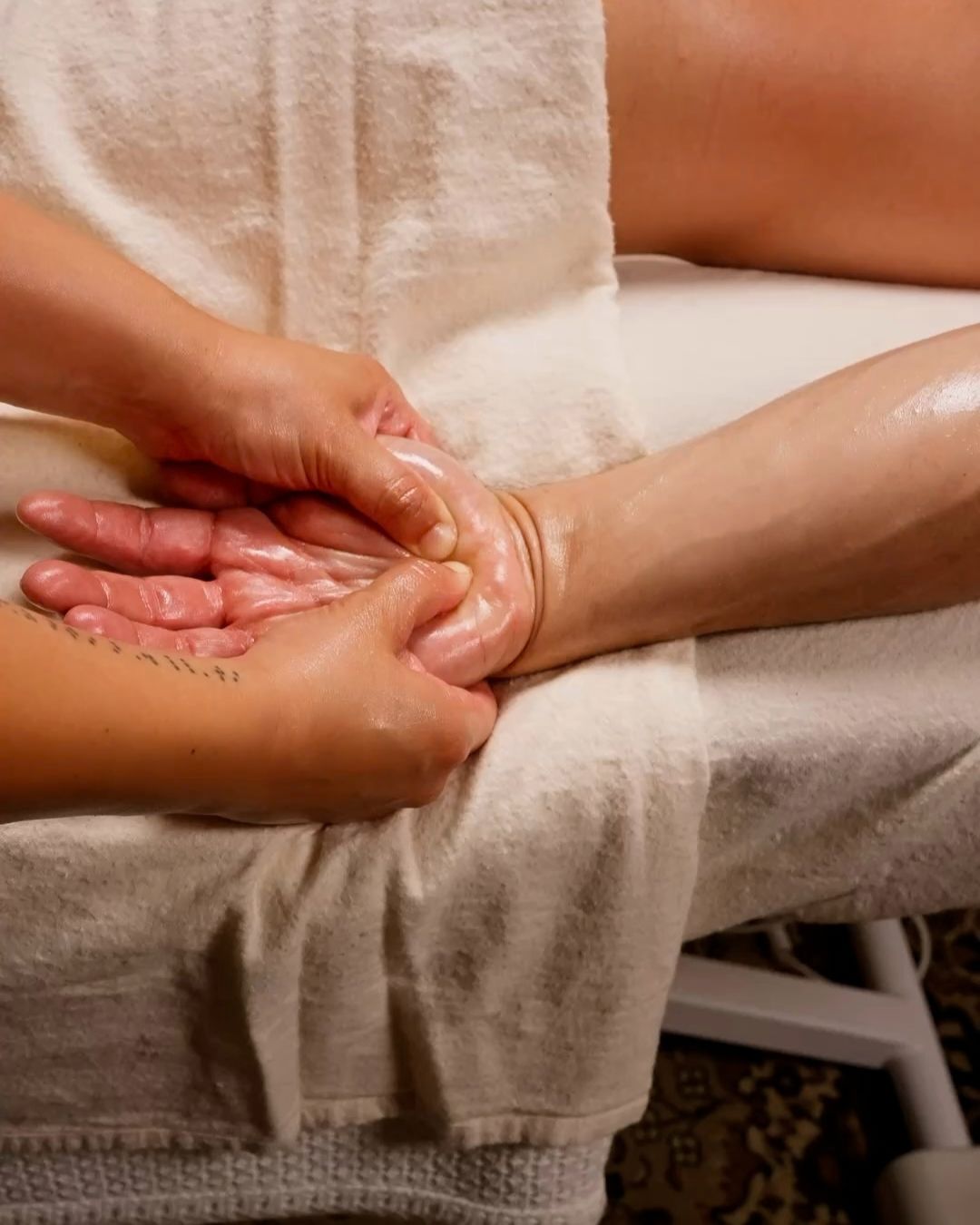
What reflexology can't do
Reflexology doesn't treat disease. A 2011 systematic review of 23 trials concluded that the best evidence does not convincingly show it to be an effective treatment for any medical condition. There's also no good evidence that it boosts the immune system, balances hormones or detoxes the body, whatever some reflexology charts suggest.
It works best as what most people use it for: a calm, attentive hour that helps you relax. It doesn't replace your doctor. At Aixa's we don't offer reflexology during pregnancy, and we ask you to tell us about any foot or hand injury, wound, infection, blood clot or recent surgery before you book.
How to get the most from reflexology
Book when you can rest afterward. Drink some water, keep the evening quiet, and notice how you sleep. If you come regularly, many people find once a month works well, or whenever their week feels heavy.
Between sessions, you can press gently on the centre of the ball of your foot for a minute while you breathe slowly. Reflexology tradition calls it the solar plexus point. It won't replace a session, but it's a nice way to wind down before bed.
At Aixa's Bio Spa, foot reflexology is 45 minutes from $135 and hand reflexology 45 minutes from $125, in a private room in NDG, Montreal. To understand the map behind it, read what reflexology is.
Reflexology benefits FAQ
Does reflexology really work?
For relaxation, anxiety and sleep, studies are mostly positive. As a treatment for medical conditions, a 2011 review of 23 trials found no convincing evidence. Most people book it to relax and feel calmer, and that's where the research is strongest.
What are the side effects of reflexology?
Most people feel calm, a little sleepy and lighter afterward. Some spots can feel tender during the session, which usually means tight tissue. Drink some water and keep the rest of the day gentle.
How many reflexology sessions do I need?
One session is enough to feel the relaxation. In the research, longer sessions and longer programs helped sleep more. Many people book once a month, or when their week gets heavy.
Is foot or hand reflexology better?
Most studies used foot reflexology. Hand reflexology follows the same map and is a good choice if you type or grip all day, or would rather not have your feet touched.
Sources
- Wang WL et al. Effect of foot reflexology intervention on depression, anxiety, and sleep quality in adults. Evidence-Based Complementary and Alternative Medicine, 2020
- Dağcan Şahin N, Görücü S. The effect of reflexology on anxiety in patients undergoing open heart surgery. Journal of Nursing Research, 2026
- Ma X et al. Systematic review and meta-analysis of reflexology for people with multiple sclerosis. Medicine, 2023
- Tedeschi R. Exploring the efficacy of plantar reflexology as a complementary approach for headache management. International Journal of Therapeutic Massage and Bodywork, 2024
- Jing Y et al. The effects of foot reflexology on vital signs: a meta-analysis of randomized controlled trials. Evidence-Based Complementary and Alternative Medicine, 2022
- Yaqi H et al. Foot reflexology in the management of functional constipation: a systematic review and meta-analysis. Complementary Therapies in Clinical Practice, 2020
- Ernst E, Posadzki P, Lee MS. Reflexology: an update of a systematic review of randomised clinical trials. Maturitas, 2011